Antarctica Photos, Information

Antarctica Continent, Animals

Antarctica Photo of Polar Aurora

Antarctica Photos, Icebergs and Penguins

Animals and Icebergs. Antarctica Continent - Photos and Information about penguins and orcas. Find animals and Polar Aurora. Animals and Icebergs. Antarctica Continent - Photos and Information on Polar Aurora. Where is the research stations and Iceberg.

Antarctica Pictures

Animals and Icebergs. Antarctica Continent - Photos and Information about penguins and orcas. Find animals and Polar Aurora. Animals and Icebergs. Antarctica Continent - Photos and Information on Polar Aurora. Where is the research stations.


To Geographic Guide Home Page


World Image


Antarctica Photos, Icebergs and Penguins

Animals and Icebergs. Antarctica Continent - Photos and Information about penguins and orcas. Find animals and Polar Aurora. Animals and Icebergs. Antarctica Continent - Photos and Information on Polar Aurora. Where is the research stations and Iceberg.

Antarctica Pictures

Animals and Icebergs. Antarctica Continent - Photos and Information about penguins and orcas. Find animals and Polar Aurora. Animals and Icebergs. Antarctica Continent - Photos and Information on Polar Aurora. Where is the research stations.


Google


Images of Antarctica

The continent of Antarctica is located almost entirely inside the Antarctic Circle and has a permanent layer of ice. Beneath this icy layer there is a great amount of minerals, such as oil, iron and coal. In some areas, the thickness of the layer of ice can reach 3,700 meters. As a consequence, Antarctica is the continent with the highest mean elevation.

Antarctica has a scanty flora, but a rich fauna, including many species of fish, birds and mammals. It has no permanent human population and is ruled by international treaty. Today, there is about 27 nations with research stations settled in the continent.


Images of Antarctica

The continent of Antarctica is located almost entirely inside the Antarctic Circle and has a permanent layer of ice. Beneath this icy layer there is a great amount of minerals, such as oil, iron and coal. In some areas, the thickness of the layer of ice can reach 3,700 meters. As a consequence, Antarctica is the continent with the highest mean elevation.

Antarctica has a scanty flora, but a rich fauna, including many species of fish, birds and mammals. It has no permanent human population and is ruled by international treaty. Today, there is about 27 nations with research stations settled in the continent.


Images of Antarctica

The continent of Antarctica is located almost entirely inside the Antarctic Circle and has a permanent layer of ice. Beneath this icy layer there is a great amount of minerals, such as oil, iron and coal. In some areas, the thickness of the layer of ice can reach 3,700 meters. As a consequence, Antarctica is the continent with the highest mean elevation.

Antarctica has a scanty flora, but a rich fauna, including many species of fish, birds and mammals. It has no permanent human population and is ruled by international treaty. Today, there is about 27 nations with research stations settled in the continent.

Images of Antarctica

The continent of Antarctica is located almost entirely inside the Antarctic Circle and has a permanent layer of ice. Beneath this icy layer there is a great amount of minerals, such as oil, iron and coal. In some areas, the thickness of the layer of ice can reach 3,700 meters. As a consequence, Antarctica is the continent with the highest mean elevation.

Antarctica has a scanty flora, but a rich fauna, including many species of fish, birds and mammals. It has no permanent human population and is ruled by international treaty. Today, there is about 27 nations with research stations settled in the continent.


Images of Antarctica

The continent of Antarctica is located almost entirely inside the Antarctic Circle and has a permanent layer of ice. Beneath this icy layer there is a great amount of minerals, such as oil, iron and coal. In some areas, the thickness of the layer of ice can reach 3,700 meters. As a consequence, Antarctica is the continent with the highest mean elevation.

Antarctica has a scanty flora, but a rich fauna, including many species of fish, birds and mammals. It has no permanent human population and is ruled by international treaty. Today, there is about 27 nations with research stations settled in the continent.

Images of Antarctica

The continent of Antarctica is located almost entirely inside the Antarctic Circle and has a permanent layer of ice. Beneath this icy layer there is a great amount of minerals, such as oil, iron and coal. In some areas, the thickness of the layer of ice can reach 3,700 meters. As a consequence, Antarctica is the continent with the highest mean elevation.

Antarctica has a scanty flora, but a rich fauna, including many species of fish, birds and mammals. It has no permanent human population and is ruled by international treaty. Today, there is about 27 nations with research stations settled in the continent.


Images of Antarctica

The continent of Antarctica is located almost entirely inside the Antarctic Circle and has a permanent layer of ice. Beneath this icy layer there is a great amount of minerals, such as oil, iron and coal. In some areas, the thickness of the layer of ice can reach 3,700 meters. As a consequence, Antarctica is the continent with the highest mean elevation.

Antarctica has a scanty flora, but a rich fauna, including many species of fish, birds and mammals. It has no permanent human population and is ruled by international treaty. Today, there is about 27 nations with research stations settled in the continent.


Images of Antarctica

The continent of Antarctica is located almost entirely inside the Antarctic Circle and has a permanent layer of ice. Beneath this icy layer there is a great amount of minerals, such as oil, iron and coal. In some areas, the thickness of the layer of ice can reach 3,700 meters. As a consequence, Antarctica is the continent with the highest mean elevation.

Antarctica has a scanty flora, but a rich fauna, including many species of fish, birds and mammals. It has no permanent human population and is ruled by international treaty. Today, there is about 27 nations with research stations settled in the continent.


See a map of Antarctica and the Arctic Region.


All rights reserved


Orca in the icy waters of Antarctica.

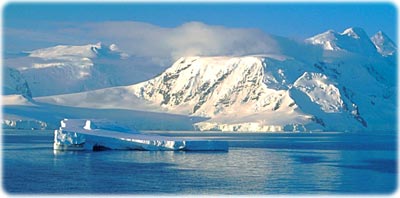
Antarctica coast.

Orca in the icy waters of Antarctica

Sunset over Antarctica.

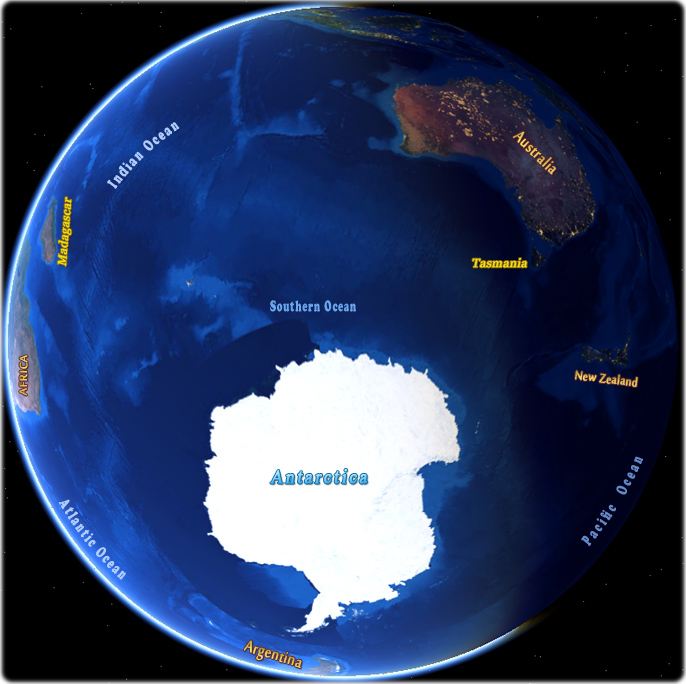
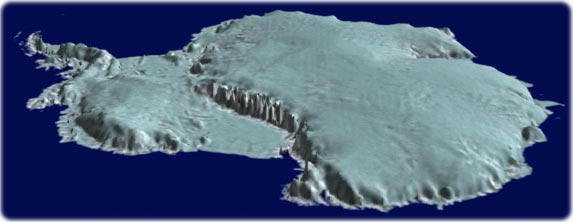
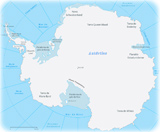
The continent of Antarctica. Graphical image elaborated by NASA
 

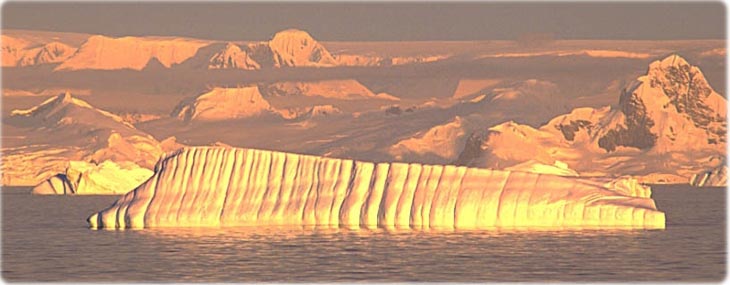
Icebergs.


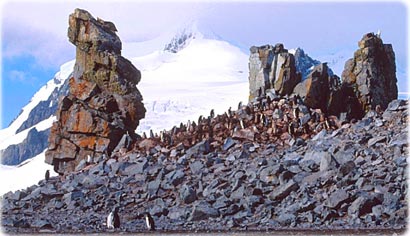
Chinstrap penguins in Danco Island.


Chinstrap penguins in Danco Island.


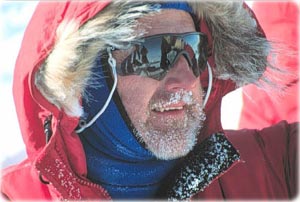
Researcher at McMurdo Station, the Antarctica's largest community, established in 1956. It is Located at Ross Island.


Researcher at McMurdo Station, the Antarctica's largest community, established in 1956. It is Located at Ross Island.


Researcher at McMurdo Station, the Antarctica's largest community, established in 1956. It is Located at Ross Island.


Researcher at McMurdo Station, the Antarctica's largest community, established in 1956. It is Located at Ross Island.


Researcher at McMurdo Station, the Antarctica's largest community, established in 1956. It is Located at Ross Island.


Leopard seal, in Antarctica, its habitat. It is the only seal that feeds on penguins and other warm-blooded prey.

 

Leopard seal, in Antarctica, its habitat. It is the only seal that feeds on penguins and other warm-blooded prey.


Leopard seal, in Antarctica, its habitat. It is the only seal that feeds on penguins and other warm-blooded prey.


Leopard seal, in Antarctica, its habitat. It is the only seal that feeds on penguins and other warm-blooded prey.


Leopard seal, in Antarctica, its habitat. It is the only seal that feeds on penguins and other warm-blooded prey.


Leopard seal, in Antarctica, its habitat. It is the only seal that feeds on penguins and other warm-blooded prey.

A black-backed gull fishing in Antarctica.


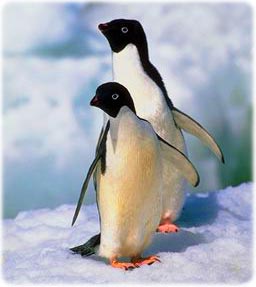
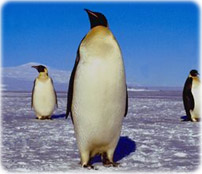
Adelie penguins. One of the four species of penguins that live in Antarctica.

Penguins are flightless marine birds. All the 18 species inhabit the Southern Hemisphere, including Galapagos (Ecuador), Africa and South America. They range, in average, from  35 to 115 centimeters in height.

Adelie penguins. One of the four species of penguins that live in Antarctica.

Penguins are flightless marine birds. All the 18 species inhabit the Southern Hemisphere, including Galapagos (Ecuador), Africa and South America. They range, in average, from  35 to 115 centimeters in height.

Adelie penguins. One of the four species of penguins that live in Antarctica.

Penguins are flightless marine birds. All the 18 species inhabit the Southern Hemisphere, including Galapagos (Ecuador), Africa and South America. They range, in average, from  35 to 115 centimeters in height.

Adelie penguins. One of the four species of penguins that live in Antarctica.

Penguins are flightless marine birds. All the 18 species inhabit the Southern Hemisphere, including Galapagos (Ecuador), Africa and South America. They range, in average, from  35 to 115 centimeters in height.

Adelie penguins. One of the four species of penguins that live in Antarctica.

Penguins are flightless marine birds. All the 18 species inhabit the Southern Hemisphere, including Galapagos (Ecuador), Africa and South America. They range, in average, from  35 to 115 centimeters in height.

Adelie penguins. One of the four species of penguins that live in Antarctica.

Penguins are flightless marine birds. All the 18 species inhabit the Southern Hemisphere, including Galapagos (Ecuador), Africa and South America. They range, in average, from  35 to 115 centimeters in height.


Links - Antarctica

Expedición Antártica.

Antarctica.org

Antarctica Online.

Adventure Network Int.

Antarctic Heritage Trust

Adelie penguins. One of the four species of penguins that live in Antarctica.

Penguins are flightless marine birds. All the 18 species inhabit the Southern Hemisphere, including Galapagos (Ecuador), Africa and South America. They range, in average, from  35 to 115 centimeters in height.


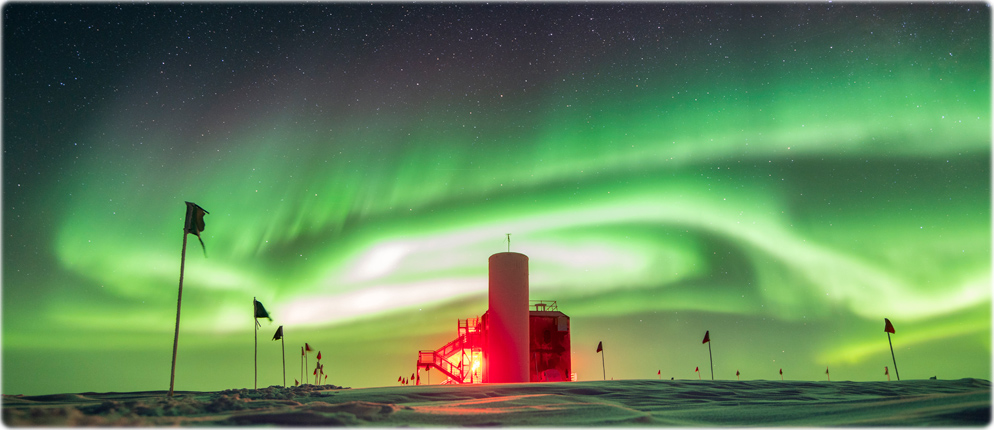
A rare are image of polar aurora close to South Pole, in a research station, Antarctica.


Antarctica coast

Europe ٠ Africa ٠ Asia ٠ North America ٠ Central America ٠ South America ٠ Oceania ٠ Earth from Space


Adelie penguins in Antarctica

About Polar Aurora

Polar aurora is a luminous phenomenon that occurs when gases from higher layers of the atmosphere are bombed by solar particles. Then, these particles are affected by the terrestrial magnetic field. The aurora usually happens during solar eruptions.

Polar aurora can be australis (near South Pole) or borealis (near North Pole).

Polar Aurora in Antarctica - NASA

A polar aurora photographed by NASA, from space.

Antarctica - NASA


Polar Aurora in AntarcticaBlack-backed gullLeopard seal, in AntarcticaMcMurdo Station, in AntarcticaPenguins in Danco IslandIcebergsAntarctica