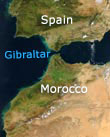
Maps of Egypt Morocco in Africa
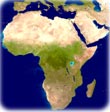
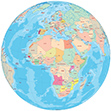
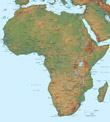
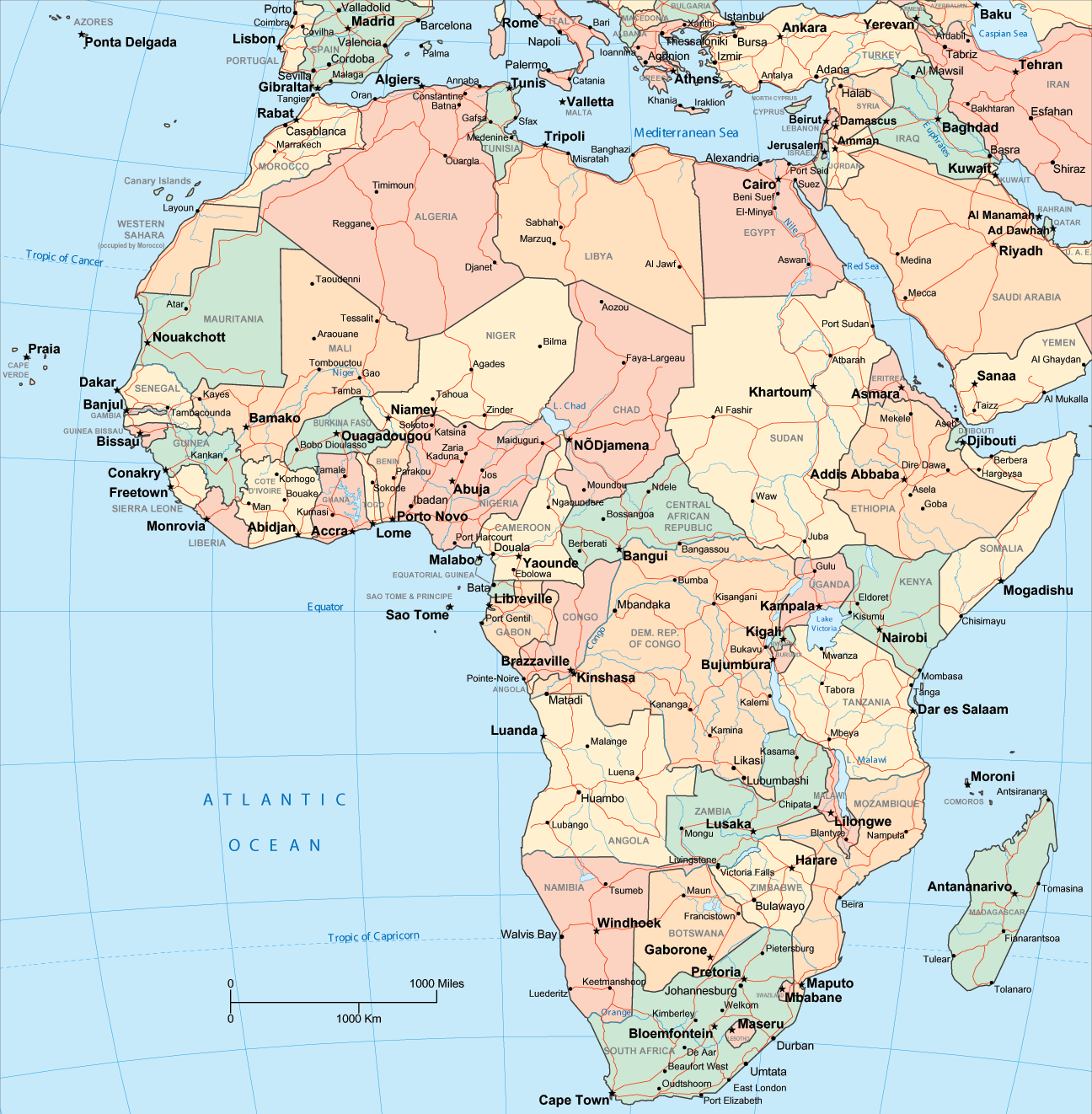
Africa is the second largest continent of the world and has about 770 million people. It has an incredible diversity in culture and in environment. The continent is recognized as the birthplace of the Homo Sapiens and of historical civilizations. Maps of Egypt Morocco in Africa. The African continent has an impressive climate diversity and a strongly contrasting landscape. The northern part of the continent is dominated by the Sahara desert, the largest desert in the world. The central and southern parts has magnificent equatorial forests.
Diversity also happens in the African's cultural life. There is a huge difference between culture and income, when cities, like Cairo or Capetown, are compared with the tribes of Masai Mara, in Kenya. Africa is well known by its wildlife in the savannahs and equatorial forests. There are about 45 species of primates, including chimpanzees and gorillas, more than 60 species of great predators, like lions, leopards, hyenas, wild dogs, foxes and coyotes. These animals are vital for the maintenance of the ecological balance in the areas where they live. They make part of the rich African ecosystem. Since 1940s, humans are responsible for a considerable reduction in the population of wildlife animals in Africa, directly or indirectly. As a consequence, many species entered in extinguishing process, becoming endangered. In the last few years, the efforts to protect African animals is increasing, but there is still much to be done.
Africa is the second largest continent of the world and has about 770 million people. It has an incredible diversity in culture and in environment. The continent is recognized as the birthplace of the Homo Sapiens and of historical civilizations. Maps of Egypt Morocco in Africa. The African continent has an impressive climate diversity and a strongly contrasting landscape. The northern part of the continent is dominated by the Sahara desert, the largest desert in the world. The central and southern parts has magnificent equatorial forests.
Diversity also happens in the African's cultural life. There is a huge difference between culture and income, when cities, like Cairo or Capetown, are compared with the tribes of Masai Mara, in Kenya. Africa is well known by its wildlife in the savannahs and equatorial forests. There are about 45 species of primates, including chimpanzees and gorillas, more than 60 species of great predators, like lions, leopards, hyenas, wild dogs, foxes and coyotes. These animals are vital for the maintenance of the ecological balance in the areas where they live. They make part of the rich African ecosystem. Since 1940s, humans are responsible for a considerable reduction in the population of wildlife animals in Africa, directly or indirectly. As a consequence, many species entered in extinguishing process, becoming endangered. In the last few years, the efforts to protect African animals is increasing, but there is still much to be done.
Africa is the second largest continent of the world and has about 770 million people. It has an incredible diversity in culture and in environment. Africa map. The continent is recognized as the birthplace of the Homo Sapiens and of historical civilizations. Maps of Egypt Morocco in Africa. Africa map. The African continent has an impressive climate diversity and a strongly contrasting landscape. The northern part of the continent is dominated by the Sahara desert, the largest desert in the world. The central and southern parts has magnificent equatorial forests.
Diversity also happens in the African's cultural life. Africa map. There is a huge difference between culture and income, when cities, like Cairo or Capetown, are compared with the tribes of Masai Mara, in Kenya. Africa map. Africa is well known by its wildlife in the savannahs and equatorial forests. There are about 45 species of primates, including chimpanzees and gorillas, more than 60 species of great predators, like lions, leopards, hyenas, wild dogs, foxes and coyotes. These animals are vital for the maintenance of the ecological balance in the areas where they live. They make part of the rich African ecosystem. Since 1940s, humans are responsible for a considerable reduction in the population of wildlife animals in Africa, directly or indirectly. As a consequence, many species entered in extinguishing process, becoming endangered. In the last few years, the efforts to protect African animals is increasing, but there is still much to be done. Africa map.
Africa is the second largest continent of the world and has about 770 million people. It has an incredible diversity in culture and in environment. Africa map. The continent is recognized as the birthplace of the Homo Sapiens and of historical civilizations. Maps of Egypt Morocco in Africa. Africa map. The African continent has an impressive climate diversity and a strongly contrasting landscape. The northern part of the continent is dominated by the Sahara desert, the largest desert in the world. The central and southern parts has magnificent equatorial forests.
Diversity also happens in the African's cultural life. Africa map. There is a huge difference between culture and income, when cities, like Cairo or Capetown, are compared with the tribes of Masai Mara, in Kenya. Africa map. Africa is well known by its wildlife in the savannahs and equatorial forests. There are about 45 species of primates, including chimpanzees and gorillas, more than 60 species of great predators, like lions, leopards, hyenas, wild dogs, foxes and coyotes. These animals are vital for the maintenance of the ecological balance in the areas where they live. They make part of the rich African ecosystem. Since 1940s, humans are responsible for a considerable reduction in the population of wildlife animals in Africa, directly or indirectly. As a consequence, many species entered in extinguishing process, becoming endangered. In the last few years, the efforts to protect African animals is increasing, but there is still much to be done. Africa map.
Africa is the second largest continent of the world and has about 770 million people. It has an incredible diversity in culture and in environment. Africa map. The continent is recognized as the birthplace of the Homo Sapiens and of historical civilizations. Maps of Egypt Morocco in Africa. Africa map. The African continent has an impressive climate diversity and a strongly contrasting landscape. The northern part of the continent is dominated by the Sahara desert, the largest desert in the world. The central and southern parts has magnificent equatorial forests.
Diversity also happens in the African's cultural life. Africa map. There is a huge difference between culture and income, when cities, like Cairo or Capetown, are compared with the tribes of Masai Mara, in Kenya. Africa map. Africa is well known by its wildlife in the savannahs and equatorial forests. There are about 45 species of primates, including chimpanzees and gorillas, more than 60 species of great predators, like lions, leopards, hyenas, wild dogs, foxes and coyotes. These animals are vital for the maintenance of the ecological balance in the areas where they live. They make part of the rich African ecosystem. Since 1940s, humans are responsible for a considerable reduction in the population of wildlife animals in Africa, directly or indirectly. As a consequence, many species entered in extinguishing process, becoming endangered. In the last few years, the efforts to protect African animals is increasing, but there is still much to be done. Africa map.

Europe ٠ Asia ٠ North America ٠ Central America ٠ South America ٠ Oceania ٠ Antarctica ٠ Earth from Space
|
|
|
All rights reserved |