Broadway in the 20th Century
From City Hal Park, at Chambers St, to Union Sq. at 14th St.
More pages about Broadway:
• Broadway in the 19th Century ►
• Lower Broadway ►
• Lower Broadway in the First Half of 19th Century ►
• Lower Broadway in the Second Half of 19th Century ►
• Lower Broadway in the First Half of 20th Century ►
• West Side, Morris to Rector Streets - 19th Century ►
• West Side, Morris to Rector Streets - 20th Century ►
• Broadway at Park Row Intersection ►
• Broadway at City Hall Park ►



North from Astor Place.


Broadway from East 10th Street.
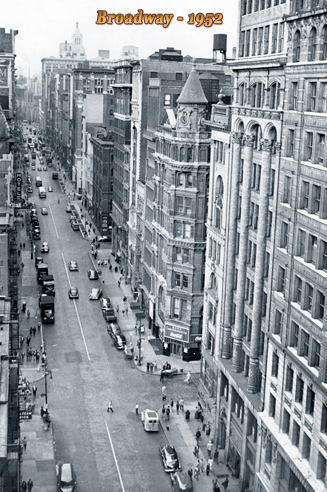
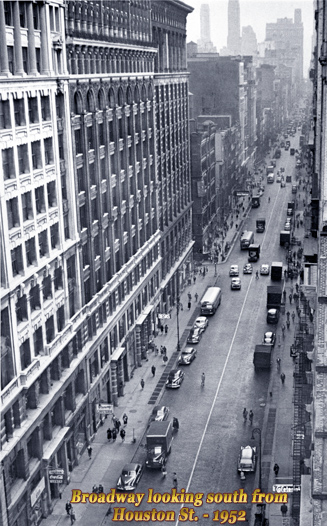
Broadway, looking north from Houston Street.

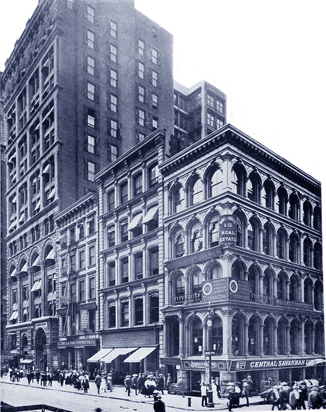
Buildings on west side of Broadway, between Duane St. and Thomas St. Mutual Reserve Building - 1910.
1910 - East side of Broadway, between Reade St. and Duane St. Dun Building and Vincent Building.
Left, Broadway, corner Pearl St., Central National Bank. 1910.

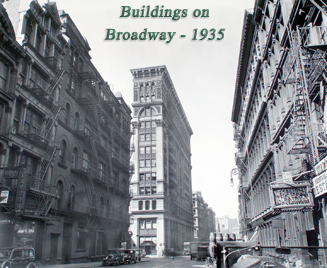
Broome Street, Bank of Sicily Trust Company.

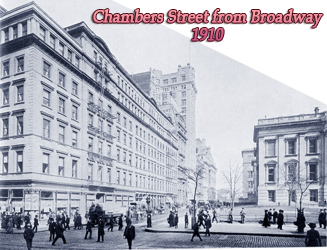
Broadway between Worth St. and Leonard St. 1910.
Broadway between Worth St. and Leonard St. 1910.
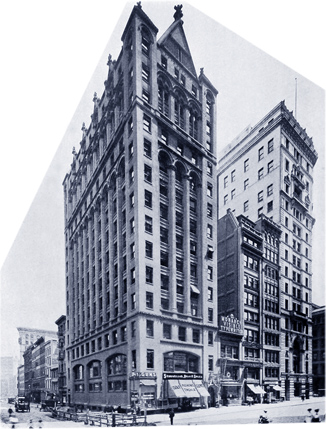

St. Denis Hotel is on the southwest corner of 11th Street, on the right.
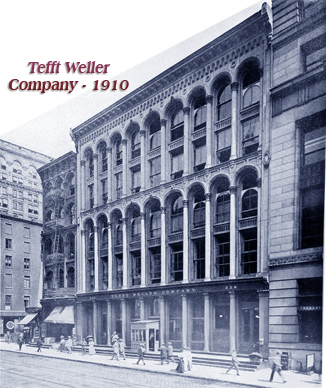
Broadway, west side, corner of Leonard St. 1910.

Broadway, corner of 11th Street.
|
Copyright © Geographic Guide - Old NYC. Historical Places. |

Broadway, Corner of Franklin Street. 1910.
1910

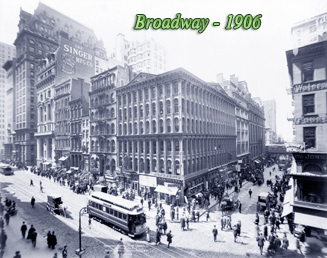
Cortlandt Street to Liberty St.
Broadway, west side, corner of Leonard St. 1910.
Broadway in the 20th Century
East side of Broadway, between Pearl Street and Worth Street.